See the wedding look before you pay for the trial.
A bridal trial costs Rp 1.5–4 million and half a day, and it regularly ends in a look the bride does not want. Settle it here first: makeup, sanggul, kebaya and jewellery, stacked onto one photograph of her own face.
Free to try with the sample photo. No account.
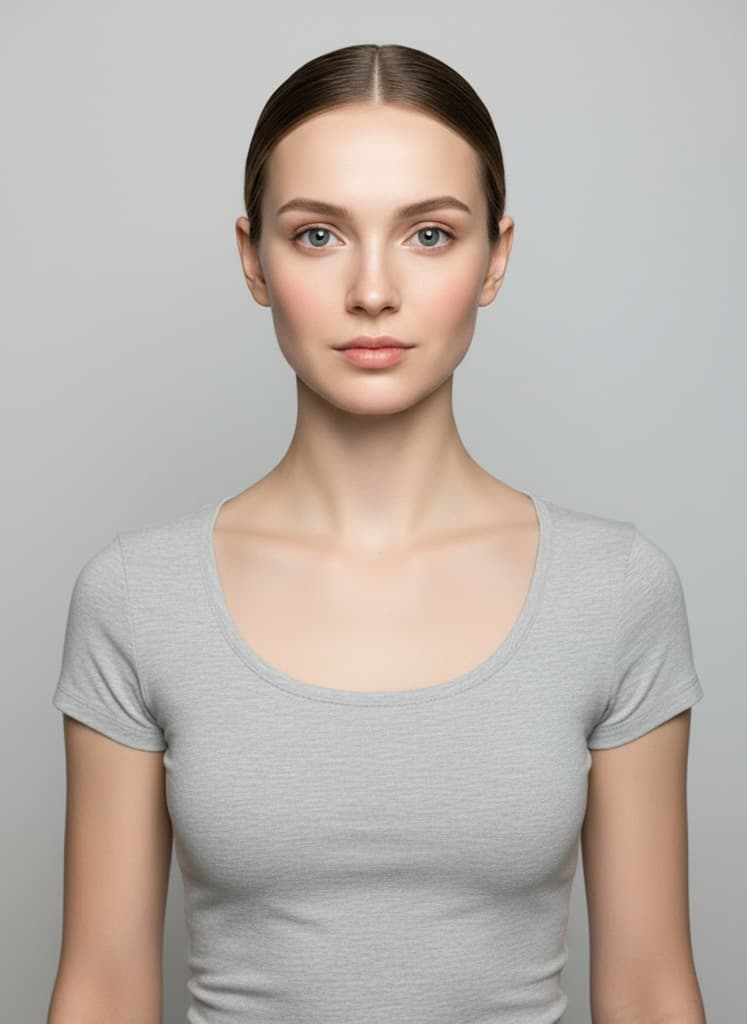 Her photo
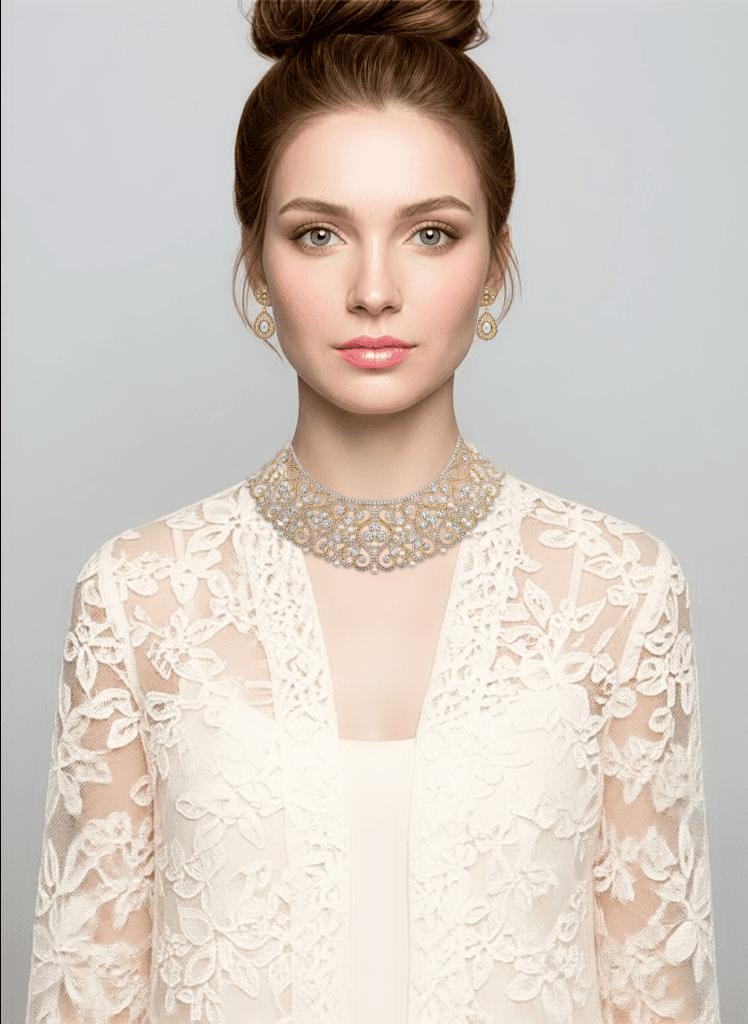 Five layers later
- APIs wired up
- 31APIs wired upTry-on, generative and diagnostic — every one on its newest version.
- layers, one photo
- 5layers, one photoGarment, hair, makeup, necklace, earrings — in sequence, one frame.
- Nusantara references
- 17Nusantara references12 regional garments for bride and groom, and 5 bridal makeup looks.
- per layer, measured
- 7.4sper layer, measuredAverage for one try-on call, from upload to finished image.
The trial is the wrong place to discover the look is wrong.
This is not a question of taste. It is a question of order: the most expensive decision gets made last, on the least information.
The reference is somebody else's face
She arrives with Pinterest screenshots. The artist is looking at different features, a different eye shape and a different skin tone from the client in front of her, and both of them hope it comes out close.
Agreement happens in the makeup chair
The first moment they both see the same thing is the trial — after the money is spent, after half a day is gone, and at the point where changing direction means starting over.
Nobody checks the hair in time
A sanggul that fails on the day is usually not a skill problem. It is length, texture and condition, discovered at the trial with weeks left — when hair grows about 1.25 cm a month and there is no way to make up the difference.
Three steps, before the first rupiah is spent.
- 1
One photo, guided
Waist-up, facing the camera. The crop guide defines how large her face sits in the frame, so the photo clears the engine's requirements before anything is uploaded — and nothing is spent on a picture that would be rejected.
- 2
Stack the look
Garment, hair, makeup, necklace, earrings. Each choice runs against the previous result rather than the original, so what comes out is one whole photograph. Combinations that are known to fail are refused on screen, not after payment.
- 3
Check it, then send it
Animate it into five seconds to see how the fabric falls, check her hair against the wedding date, then send a single look board to her makeup artist.
The built-in catalogue does not contain a single kebaya.
That is an audit result, not a guess: three bridal looks and four gowns, all Western. For a market that marries in kebaya, songket and ulos, the catalogue is empty.
So the regional garments and makeup do not come from a catalogue at all. Both enter through our own reference images — and Indonesia is read as several aesthetics rather than one. Paes ageng from Yogyakarta, the Sundanese siger and Minang suntiang are different silhouettes, different headpieces and different makeup entirely.
And a wedding has two people in it. The groom has his own path — beskap, haircut and beard, stacked onto his photo in the same order. The same batik parang runs through her kebaya and his beskap, because that is how a Javanese couple actually dresses.
Bride
- Classic Javanese kebaya
- Sundanese kebaya
- Minang baju kurung
- Balinese payas agung
- Bugis baju bodo
- Batak ulos
- Modern hijab kebaya
- Acehnese gaun syar'i
Groom
- Javanese beskap
- Sundanese beskap
- Minang groom's dress
- Modern wedding suit
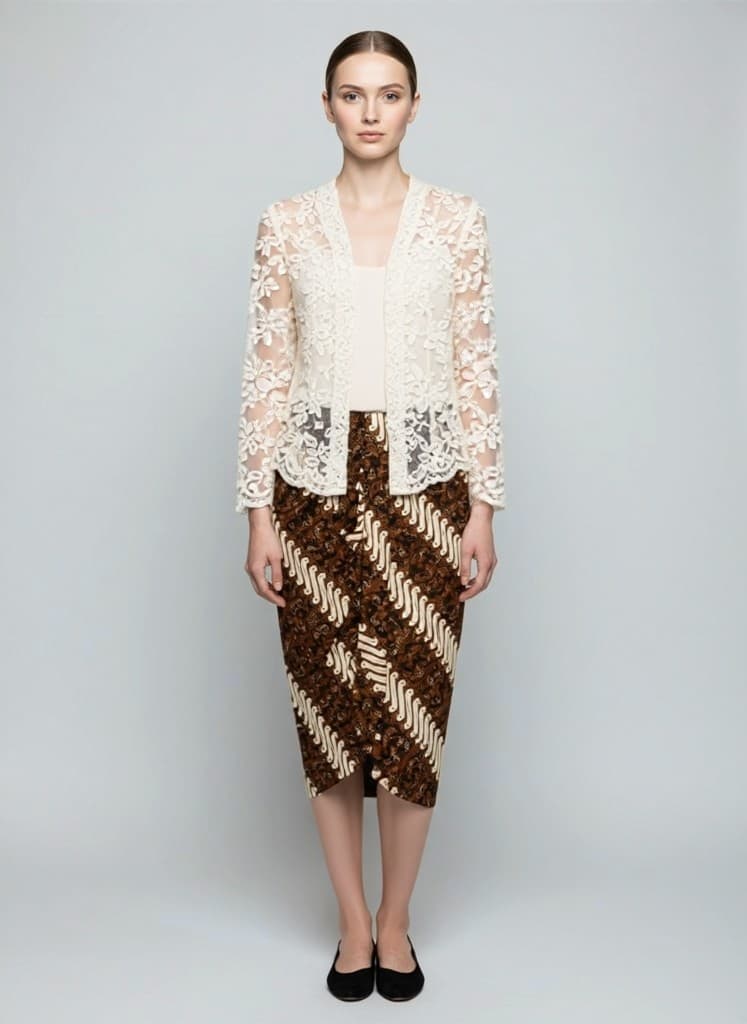
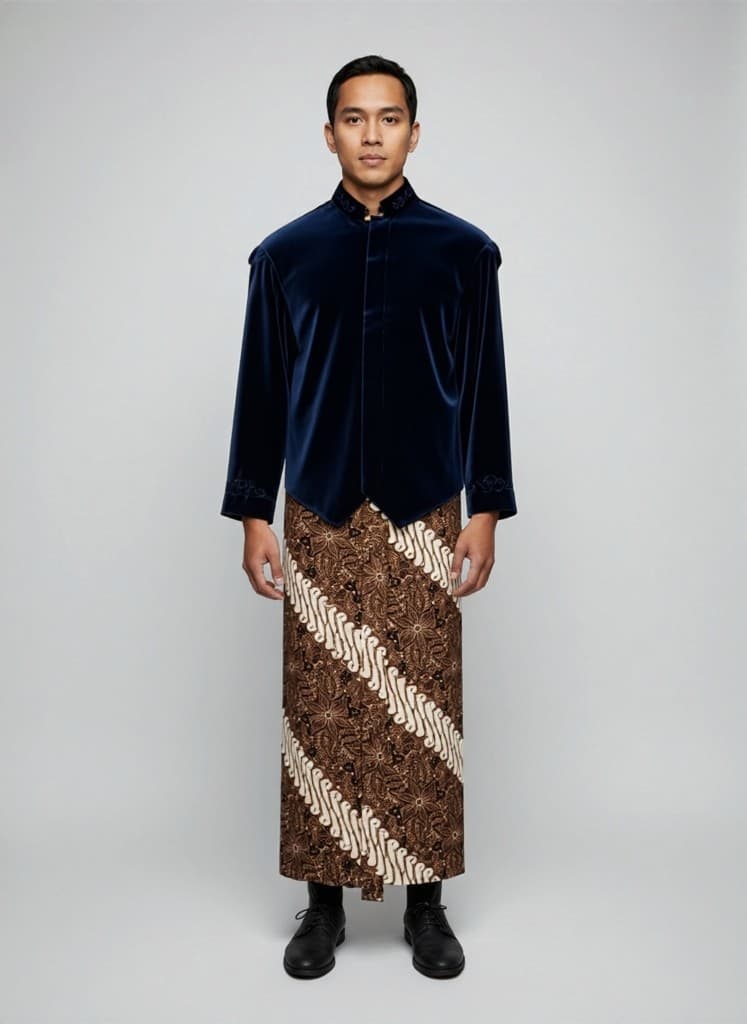
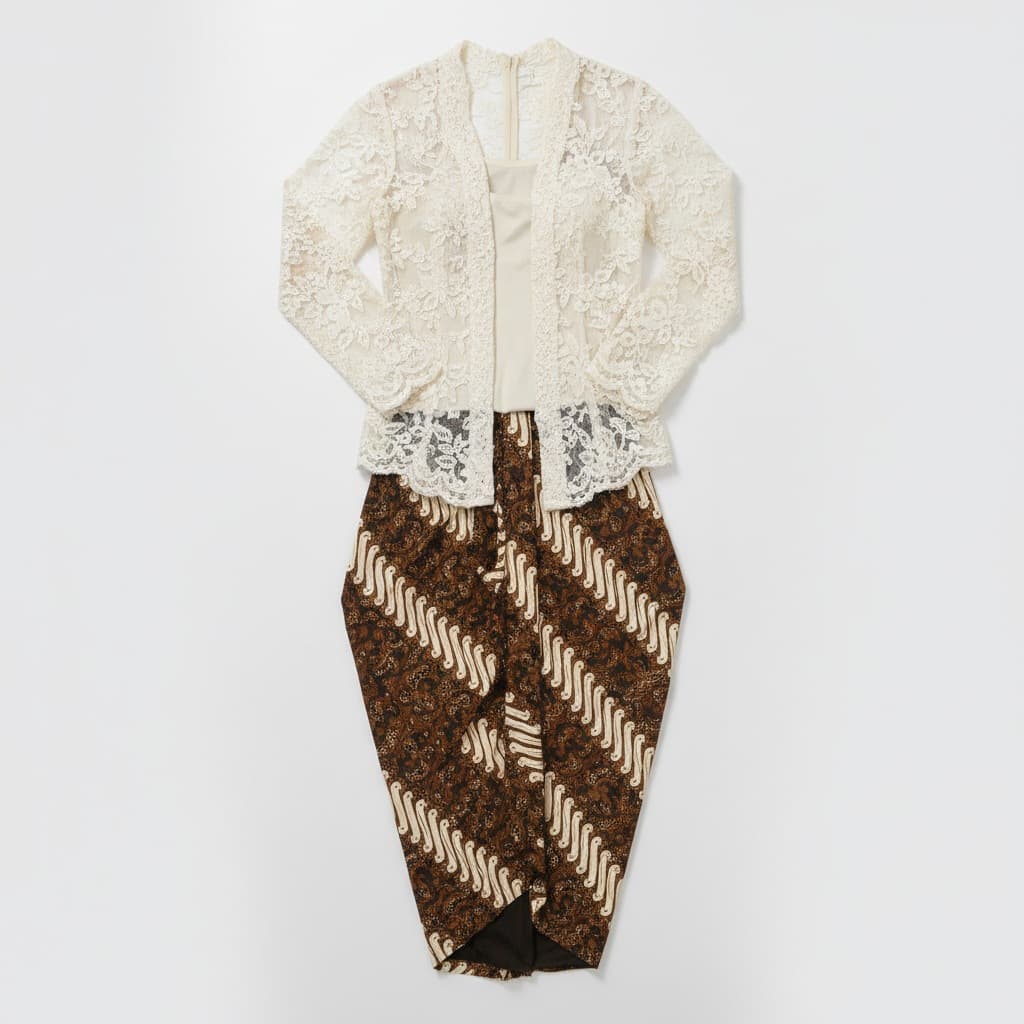
Jawa
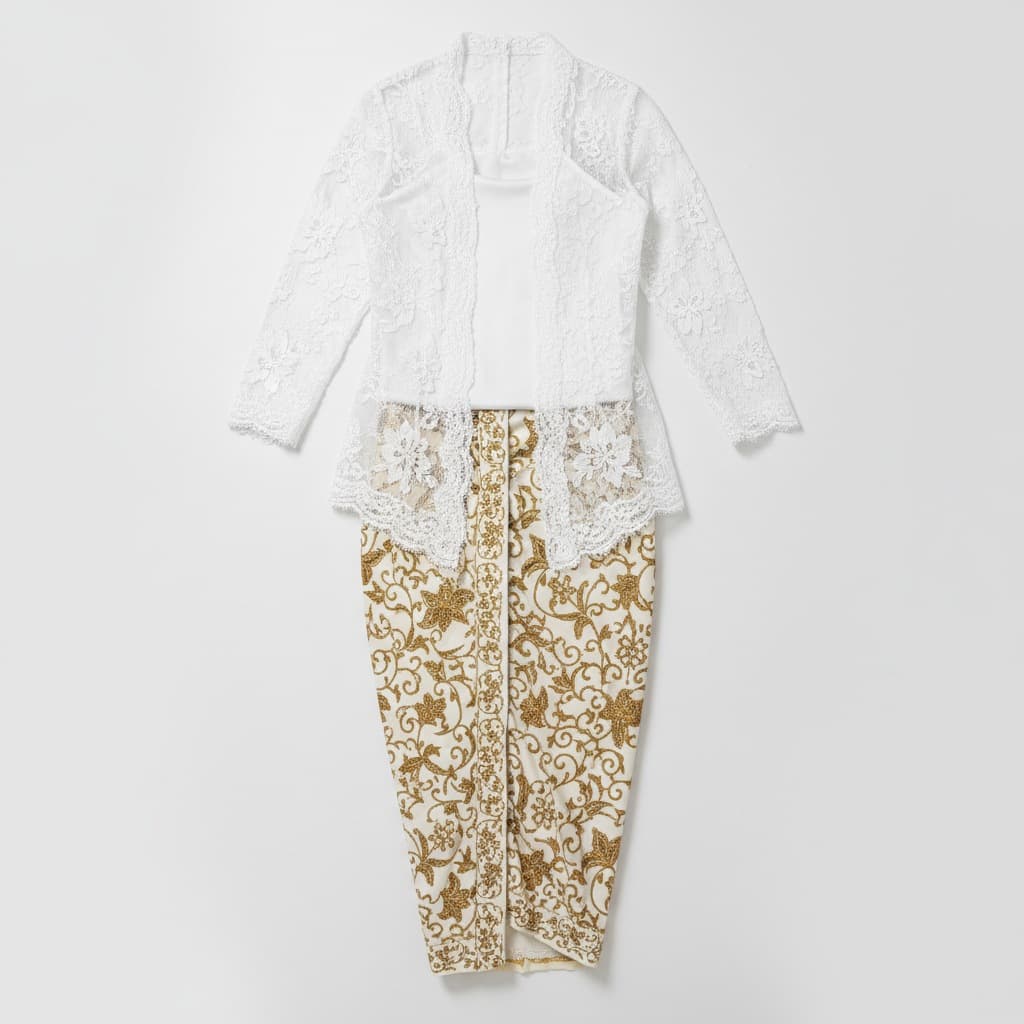
Sunda
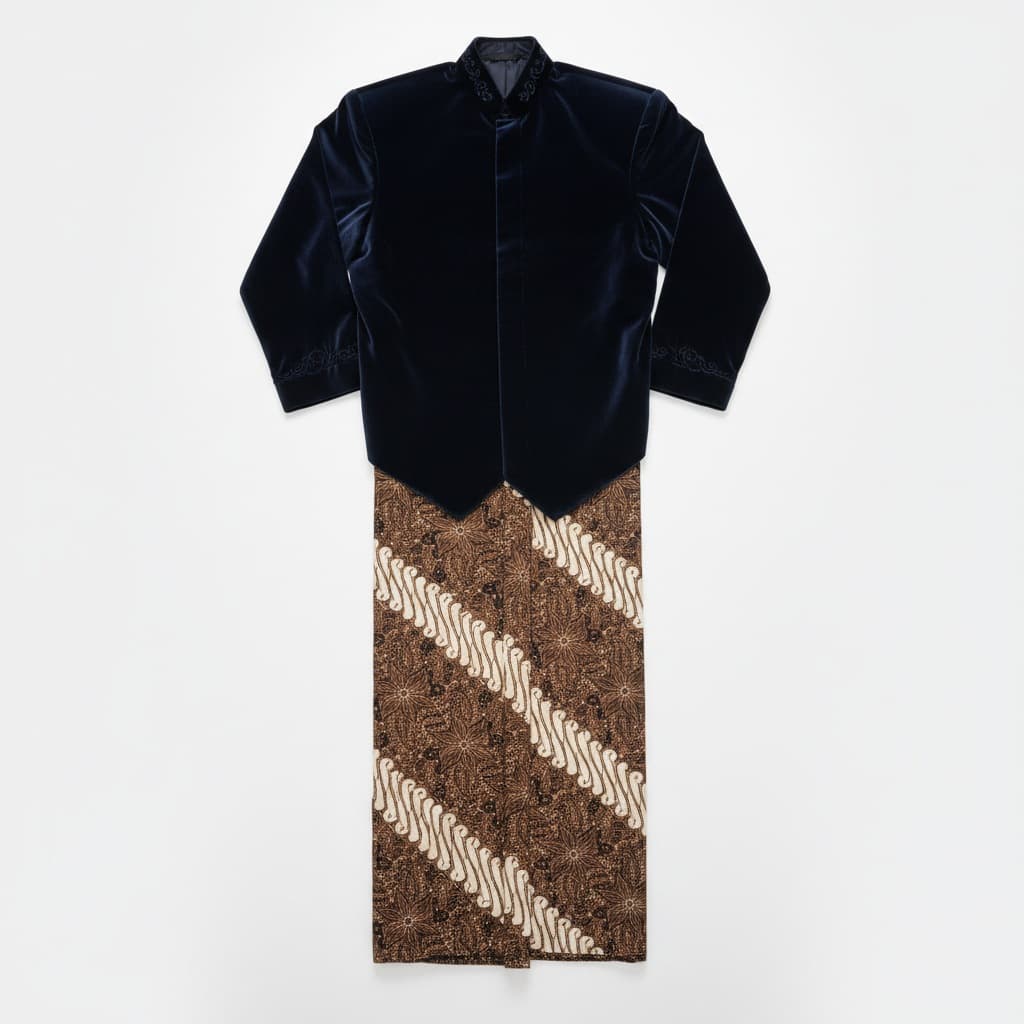
Jawa
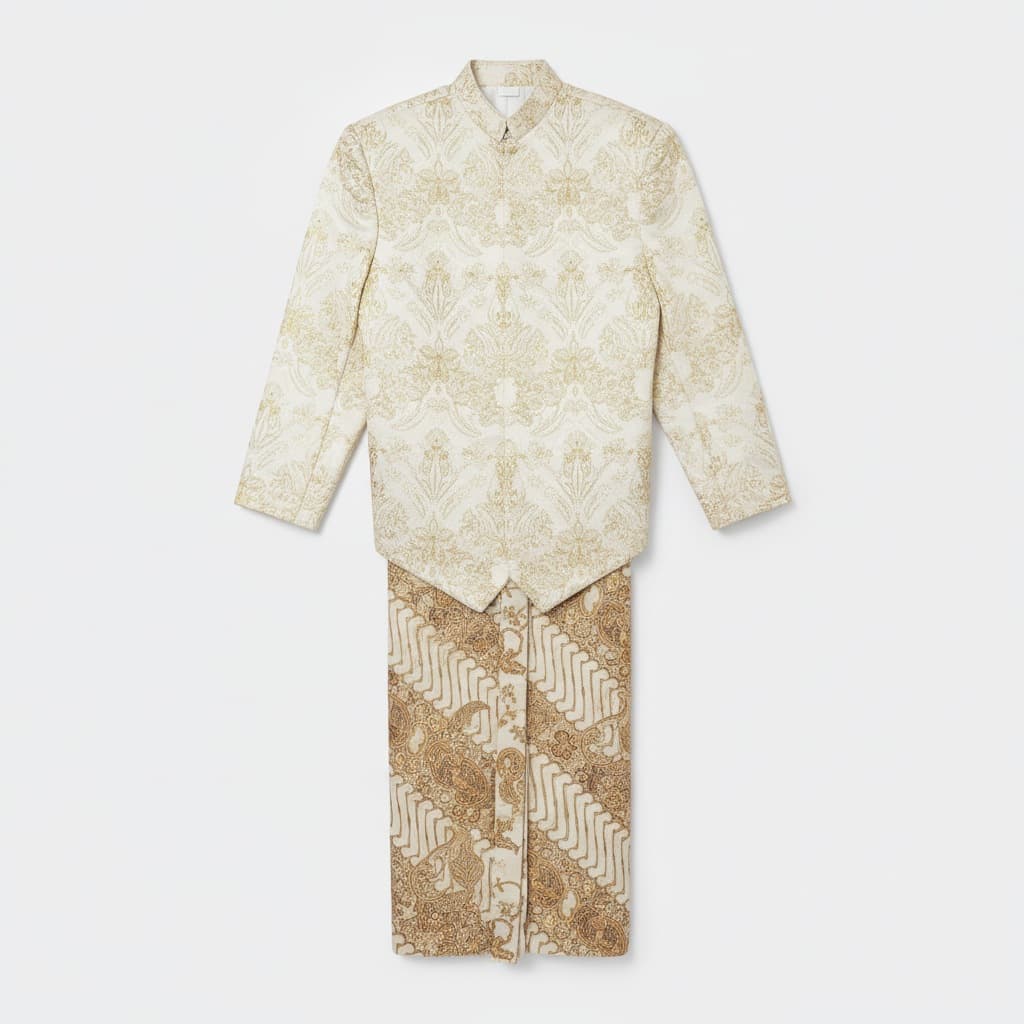
Sunda
The question nobody asks
Not just whether it suits her. Whether her hair can get there in time.
Three diagnostics read her hair’s length, type and condition from a photo. Our own rule layer weighs those against the style she wants and the time left before the wedding, and answers with one of three verdicts.
If the answer is no, she gets alternatives her current length already reaches, and a month-by-month plan. Every threshold that fired can be opened and read — a visible “why”, not a black box.
Try it with the sample photo- ReadySanggul, 12 months out
Length and texture already meet what that style needs, today.
- Ready with preparationLong and loose, 12 months out
Short of length, but there is time — with a month-by-month plan.
- Not by thenLong and loose, 6 months out
The gap does not close by that date. Alternatives are offered, with the numbers.
- Growth is estimated at an average 1.25 cm a month. The API returns a word, not a measurement, so treat the result as a range — and the page itself says so.
Built for makeup artists, not to replace them.
The tool does not do anyone’s makeup. It moves the agreement about the look to before the trial, so that the artist’s time on the day is spent refining rather than discovering the direction was wrong.
The artist pays, not the bride
This is a working tool for a service professional. Makeup artists and bridal sanggar already pay for equipment, and their revenue per client is well defined. One trial that does not get wasted covers months of subscription.
The look board is the distribution
It is the artefact the bride forwards to her artist, her mother, the family group chat. Every forward introduces the artist to the next client — the distribution rides on the thing that was always going to be shared.
The second line is in the hair
A “ready with preparation” verdict is a treatment referral that arises naturally: salons, treatments, extensions. The diagnostic produces a specific, dated need that the bride has already accepted before anyone tries to sell her anything.
The benchmark used on this page: one bridal trial session in Jakarta runs Rp 1.5–4 million and costs both sides half a working day.
The questions that usually come up.
Is it really her face, or a model's?
Hers. Every choice runs against her own photo, and each step's output becomes the next step's input, so what comes out is one picture with the same face, the same background and the same crop. The exception is the prewedding concept page, which deliberately invents a new scene and labels every image as AI-generated.
Does this replace the trial?
No. It moves the agreement about the look to before the trial. Skin texture, how makeup holds over a long day, and how fabric moves when she does can only be tested in person. What disappears is the trial that starts with no agreed direction.
What kind of photo does it need?
Waist-up, facing the camera, shoulders visible, one face only, even light. The app guides the crop before anything is uploaded, so a photo the engine would reject is caught first, at no cost.
Why does hair have to be down for the readiness check?
Because the diagnostic answers about the photograph, not about the person. Measured on the same model: hair in a bun reads a full band straighter than the same hair worn loose. A verdict that changes with how she happened to tie her hair that morning is not a verdict.
Does it work for a bride in hijab?
Yes. The garment library includes two hijab looks — a modern hijab kebaya and an Acehnese gaun syar'i — and both run through the same garment try-on path as every other kebaya.
Is there a groom's version?
Yes, and it is a first-class path rather than a variation. Beskap, haircut and beard stack onto his photo in the same order, with four regional groom garments from Java, Sunda and Minang plus a modern suit.
Are photos stored?
There are no accounts and no gallery. A photo is uploaded to be processed, and the result is cached so the same look is never billed twice. Files on the API provider's side expire on their own schedule.
Why does some of it take a few seconds?
Because the calls are real. One try-on layer averages 7.4 seconds and a five-second video clip takes about a minute. A look that has been built before appears instantly from cache.
See the wedding look before you pay for the trial.
Start with the sample photo that is already there. No account, and nothing to upload before you can see how it works.